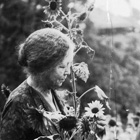
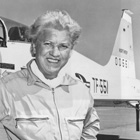
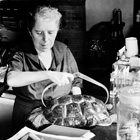
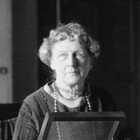
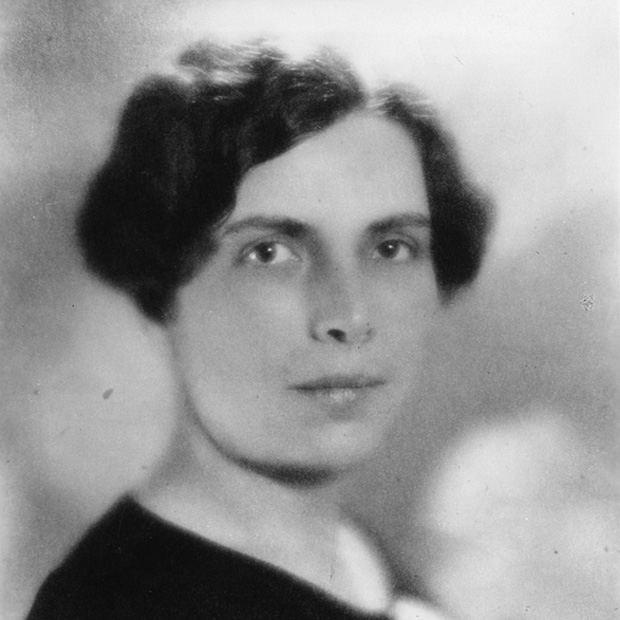
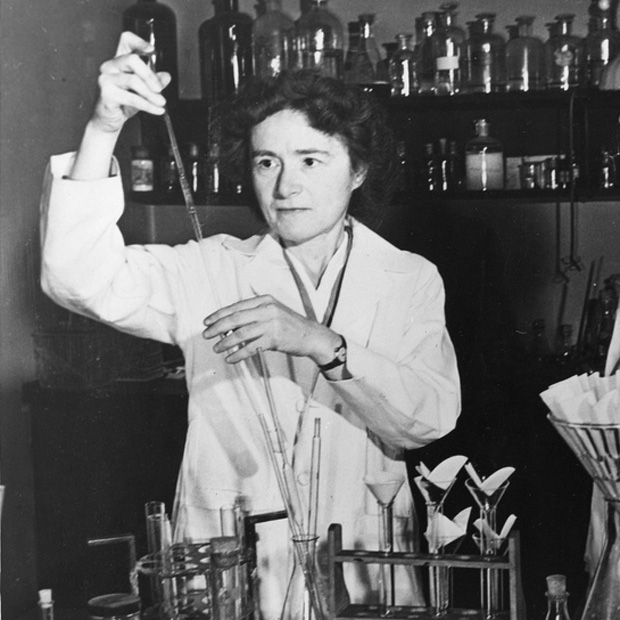
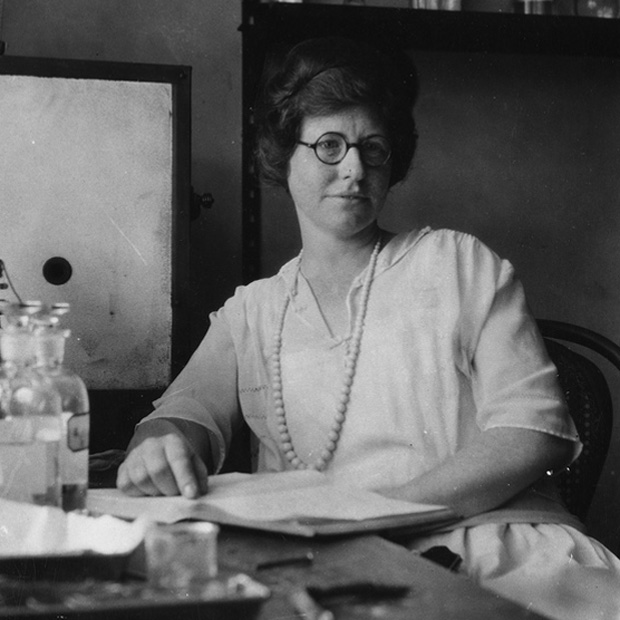
Gladys Rowena Henry Dick was the co-developer of a vaccine for scarlet fever.
Federal and state officials are currently working with health insurance companies to put together health plans that will provide coverage for American citizens as part of the Affordable Care Act.
In October, millions of people are expected to begin applying for new health plans or seek coverage from government programs like Medicaid and Medicare. The health overhaul is supposed to bring access to various health services to people who would otherwise financially struggle to receive those services.
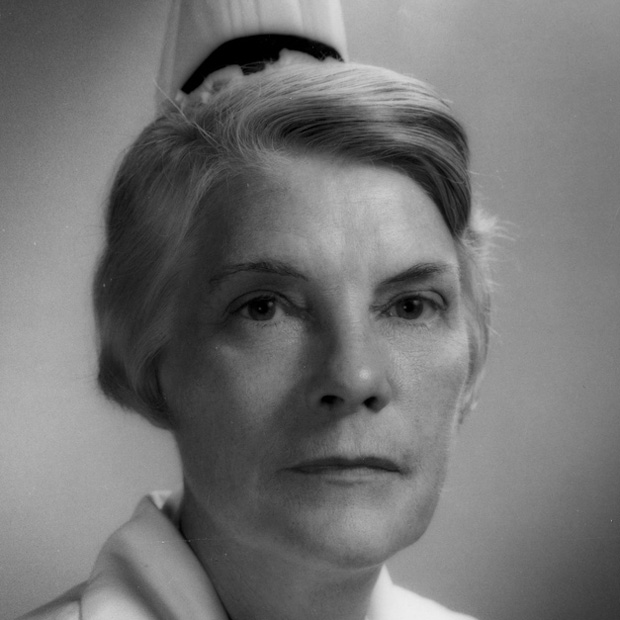
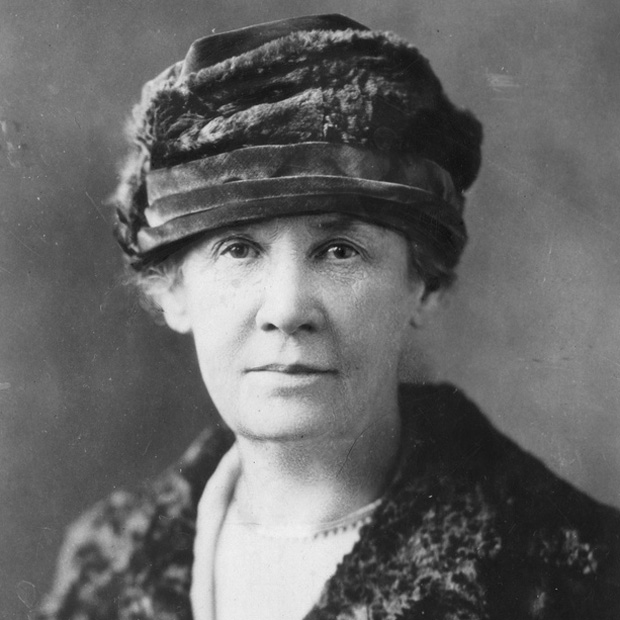
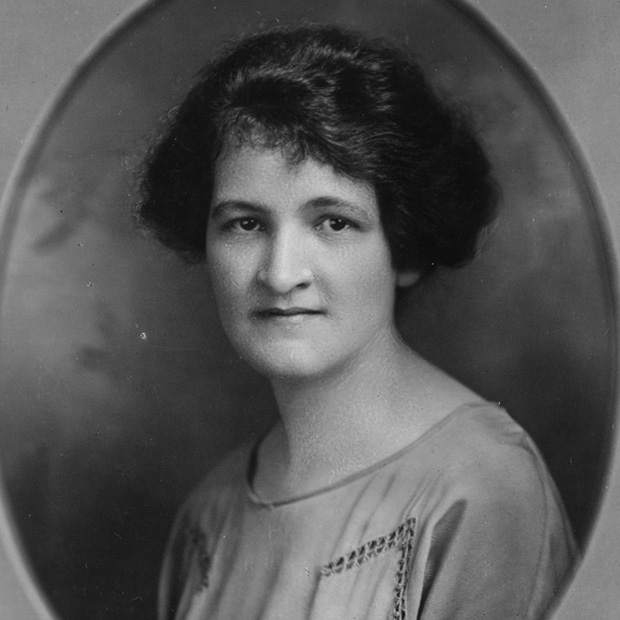
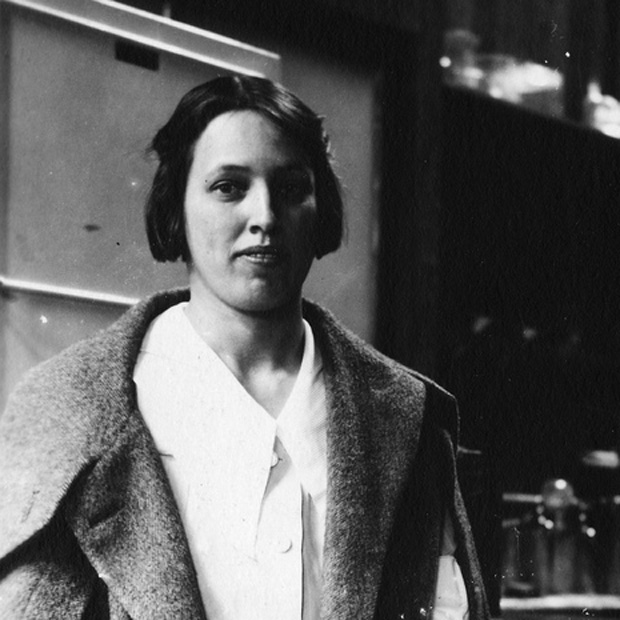
The photo gallery that follows shows a group of women from the 20th century who revolutionized the science behind the health services we know today. This is part of a series called Timeless Women that looks back on the accomplishments of women in celebration of Women's History Month this March.
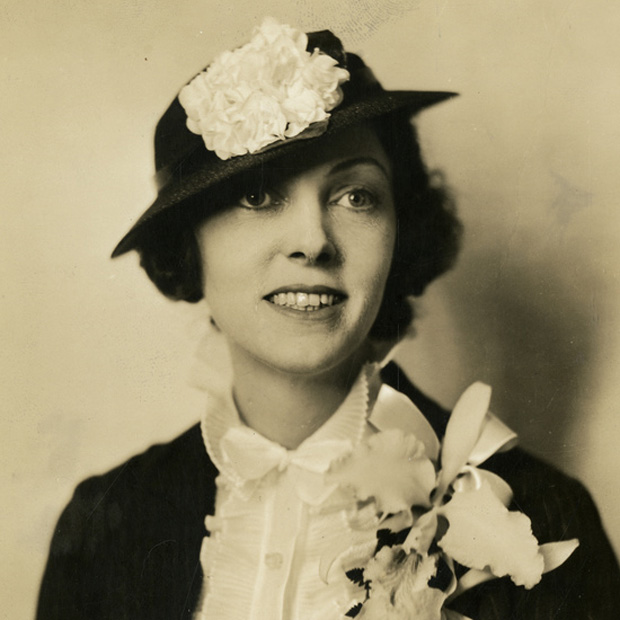
Matilda Moldenhauer Brooks gained wide attention in the science and medical fields in the 1930s for discovering an antidote for carbon monoxide and cyanide poisoning.
Mary Elizabeth Switzer was a leading force behind the 1954 Vocational Rehabilitation Act. This law brought greater services for people with disabilities.
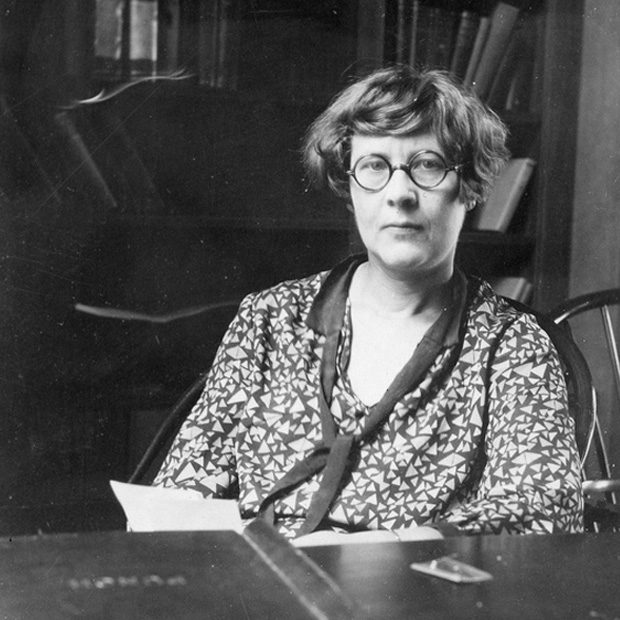
Chemist Jane Stafford served as a translator sifting through difficult science jargon and making it understandable to the average person. A former president of the National Association of Science Writers in 1945, Stafford covered stories on many important medical discoveries and on those who researched them.
Josephine G. Fountain was a registered nurse during the 1960s. She is best known for inventing a direct suction tracheotomy tube, which is used to help people breathe.
Alice Brown was a writer during the early 1900s. She was educated in anatomy at Cornell University. She wrote a book in 1919 called The Black Drop, which uses scientific themes.
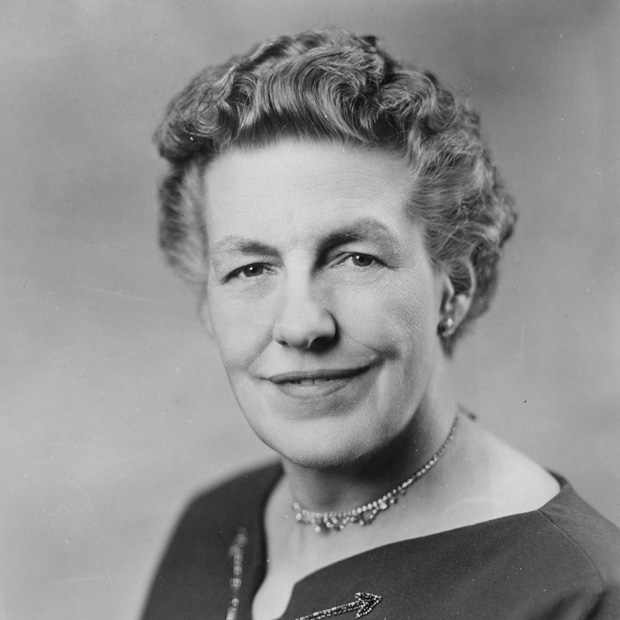
Eleanor Plunkette Brown was the first female president of the National Health Council during the 1940s. She focused her efforts on preventing blindness and served in upper-level positions in various national health groups.
Katharine J. Scott Bishop was a trained anatomist during the early part of the 20th century. She helped to discover the importance of Vitamin E, which is an antioxidant.
Elizabeth M. Bright spent her career as a physiologist focused on understanding the effects of radiation. She was affiliated with the Harvard Medical School between 1918 and 1924 during her researching.
Mary Van Rensselaer Buell made an educational mark when she earned her doctoral degree in biochemistry at the University of Wisconsin in 1919. She was first woman to do so. Her research was generally around nutrition and physiological chemistry.